

284 days left until Canoecopia! March 13 - 15
Location
Alliant Energy Center
1919 Alliant Energy Way
Madison, Wisconsin
Show Hours
Friday: 3 PM to 8 PM
Saturday: 9 AM to 6 PM
Sunday: 10 AM to 4 PM
Tickets
1-Day: $17.00
3-Day: $35.00
Ages 17 and under are FREE
Cash or check only for tickets purchased at the event
Parking Fees
1-Day: $10.00
Credit only, fees collected by Alliant Energy Center
Advanced passes may be purchased HERE.
Feedback

Alliant Energy Center
1919 Alliant Energy Way
Madison, Wisconsin
Show Hours
Friday: 3 PM to 8 PM
Saturday: 9 AM to 6 PM
Sunday: 10 AM to 4 PM
Tickets
1-Day: $17.00
3-Day: $35.00
Ages 17 and under are FREE
Cash or check only for tickets purchased at the event
Parking Fees
1-Day: $10.00
Credit only, fees collected by Alliant Energy Center
Advanced passes may be purchased HERE.
Feedback
2026 Presentations by Category
History
Carla Anderson, Missy McDonald, Carolyn Klein, Crystal Schaldenbrand, Crystal Schaldenbrand
Isle Royale's Historic Cultural Resources and the Community that Pre-Dates the Park
Caribou - upstairs Sat 1:30pm-2:15pm
Isle Royale is an island archipelago where communities formed around protected harbors. Lake Superior was the highway; canoes and rowboats were historically the primary means of transportation.
Most visitors to Isle Royale have no idea that it is home to a rare surviving example of a recreational enclave in the North Woods region of Minnesota, Wisconsin & Michigan. Nothing like it exists elsewhere in the U.S. With the establishment of the Park, not only were wilderness qualities ... Read More
Most visitors to Isle Royale have no idea that it is home to a rare surviving example of a recreational enclave in the North Woods region of Minnesota, Wisconsin & Michigan. Nothing like it exists elsewhere in the U.S. With the establishment of the Park, not only were wilderness qualities ... Read More
Myles Carter
Outfitter Assisted Self-guided Far North Canoe Tripping
Bear - upstairs Sun 11:30am-12:15pm
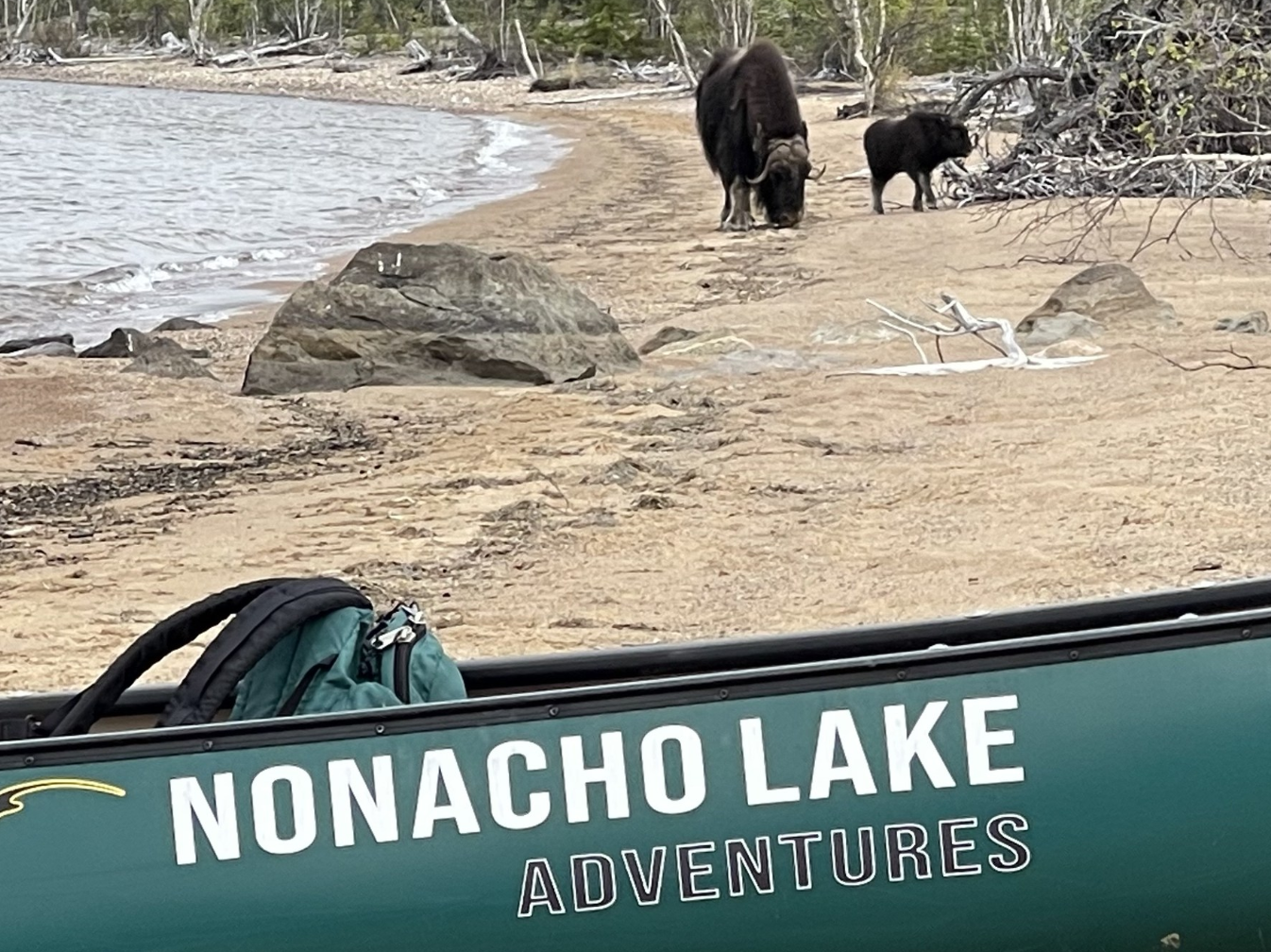 Myles will introduce a panel of canoeists who in the last few years have made self-guided canoe trips in the far north. They will share pros and cons of a self-guided trip versus a commercially marketed far north canoe trip. For those unfamiliar with the Northwest Territories there will be a short video and description of the midnight sun, arctic musk oxen and giant lake trout. This is your chance to have your important questions answered and to help you safely plan a true trip of a lifetime.
Kendra Kennedy
Ghostbusters: The Wisconsin Historical Society's Search for Lake Michigan’s Vanished Ghost Ports
Sylvania - main floor Sat 9:30am-10:15am
Sylvania - main floor Sat 1:30pm-2:15pm
Wisconsin's eastern Lake Michigan shoreline - from Kenosha to Rock Island - is characterized by bustling port cities separated by long stretches of secluded, bucolic coast. But these quiet shorelines bely the history that happened here. You may never have heard of Two Creeks or Appleport or Ronksville, but these communities and many more that dotted the lakeshore facilitated the initial growth of Wisconsin's timber products and stone quarrying industries and the state's eventual transition to ... Read More
Martin Koch
Paddling the Yellowstone & Grand Teton Area
Algonquin - main floor Sat 10:30am-11:15am
Algonquin - main floor Sun 1:30pm-2:15pm
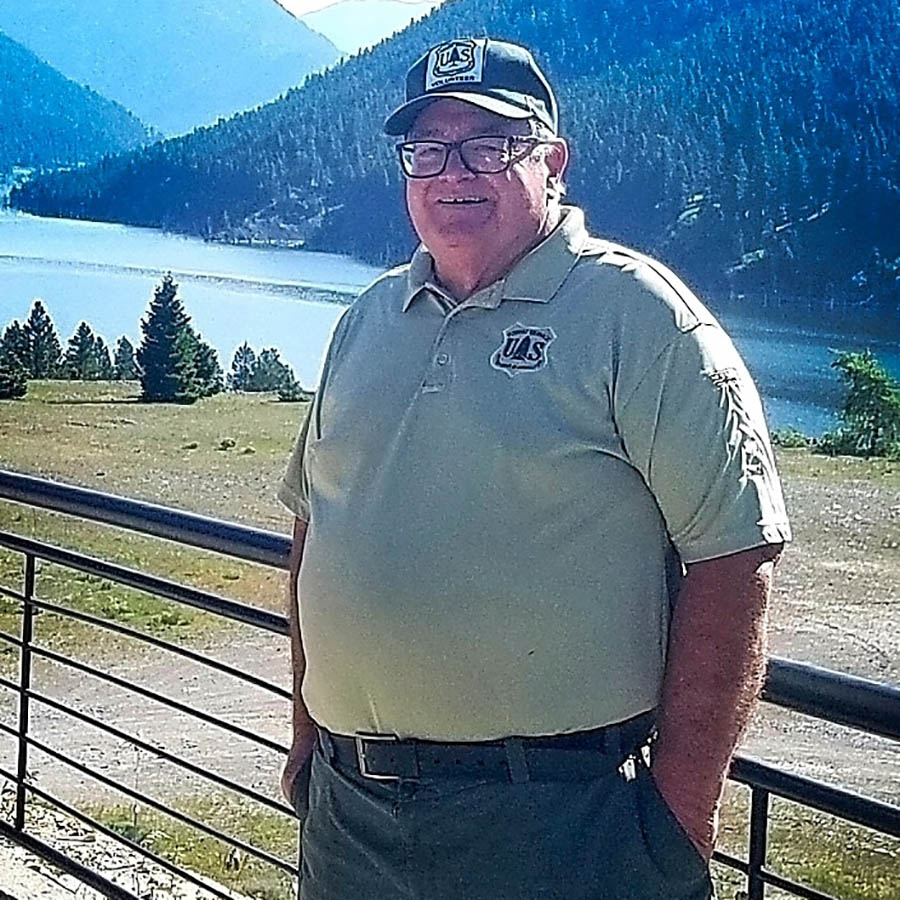 There is no more iconic scenery in America than around Grand Teton and Yellowstone National Parks. Jenny Lake, Snake River, String Lake, Yellowstone Lake and Green River Lakes are just a few of the highlights. Join us on this virtual tour of this amazing region.
Tamara Thomsen, Sissel Schroeder
Navigating Wisconsin's Dugout Canoe Landscapes
Bear - upstairs Sun 12:30pm-1:15pm
More than 120 dugout canoes reported from Wisconsin range in age from 81 to over 5,200 years old. Three-quarters of these canoes have been found in or near water, including a number of dugouts in Lake Mendota in Madison. The Madison area has been a significant dwelling place for Indigenous people for more than 12,500 years in archaeological terms, and since time immemorial for the Ho-Chunk and Menominee people. Watercraft played a principal role in the area's transportation network. The Lake ... Read More
Marcy West
Water Lovers Role in Protecting Landscapes
Killarney (Spark by Hilton) - Hilton Fri 6:30pm-7:15pm
Killarney (Spark by Hilton) - Hilton Sat 12:30pm-1:15pm
Utilizing the lessons learned in the timeline of the failed La Farge Lake and Dam project to the unique protections for the 8,600-acre Kickapoo Valley Reserve in southwest Wisconsin, Marcy will clearly illustrate why water lovers need to care about the larger landscapes. Weaving politics, behind the scenes anecdotes, and life lessons offers audience members some thought-provoking methods they can use in their own backyard.
|
Location Alliant Energy Center 1919 Alliant Energy Way Madison, Wisconsin Show Hours Friday: 3 PM to 8 PM Saturday: 9 AM to 6 PM Sunday: 10 AM to 4 PM |
Tickets 1-Day: $17.00 3-Day: $35.00 Ages 17 and under are FREE Cash or check only for tickets purchased at the event
|
Parking Fees 1-Day: $10.00 Credit only, fees collected by Alliant Energy Center Advanced passes may be purchased HERE. Feedback |
 | ||||||
 |
 |
 |
||||
| ||||||